


Boost Your Shop’s Productivity Instantly with These 5 Industrial Dust Collector Maintenance Tips
Industrial productivity relies heavily on the consistent performance of air filtration systems. An industrial dust collector is not merely a piece of peripheral equipment; it is a critical component of the production line. When a dust collector fails or operates at reduced capacity, it triggers a cascade of negative effects: increased machinery wear, safety hazards, OSHA non-compliance, and ultimately, unscheduled downtime.
Effective maintenance transitions the system from a reactive expense to a proactive asset. By implementing a standardized maintenance protocol, facility managers can extend the lifespan of dust collector filters, reduce energy consumption, and ensure a safer working environment for personnel.
1. Monitor Differential Pressure and Filter Health
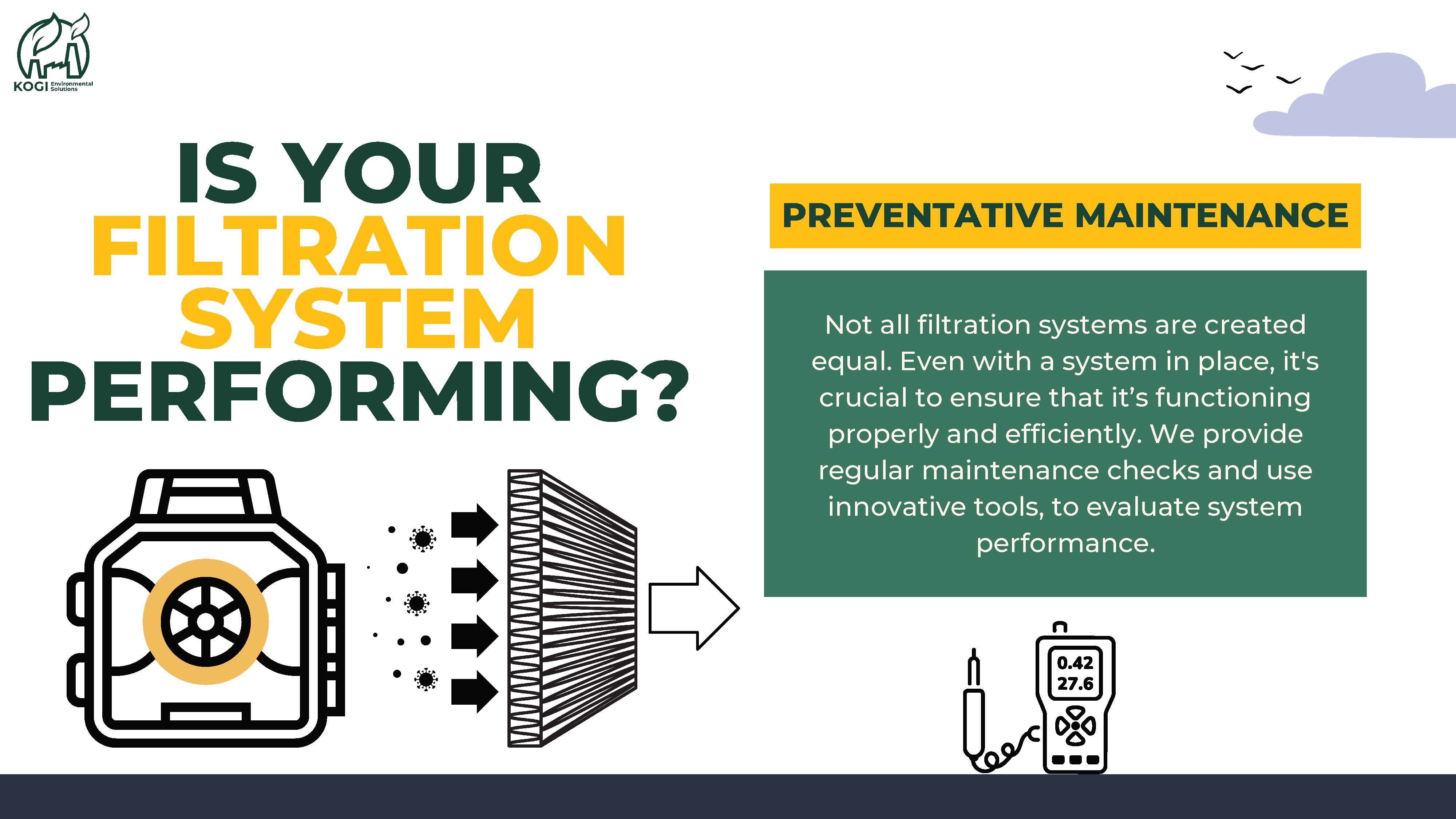
The differential pressure gauge: often a Magnehelic or digital manometer: is the most important diagnostic tool on an industrial dust collector. This gauge measures the pressure drop across the filters, indicating the resistance to airflow caused by the accumulated dust cake.
Monitoring "Delta P" provides a real-time health check of the system. A sudden drop in pressure often indicates a leak or a torn filter, while a significant spike suggests that the filters are "blinded" or that the cleaning system has failed. For most pulse-jet systems, a stable operating range falls between 2" and 5" of water gauge (w.g.).
Optimizing Filter Replacement Cycles
Replacing dust collector filters based on visual inspection is an inefficient practice that leads to unnecessary costs. Filters should be replaced when the differential pressure consistently exceeds the manufacturer’s recommended limit (typically 6" or 7" w.g.) even after multiple cleaning cycles.
Using high-quality replacement media, such as those found in the Kogi Environmental Solutions product catalog, ensures that the system maintains high MERV ratings and efficiency.
2. Maintain the Pulse-Jet Cleaning System
Most modern industrial dust collectors utilize a pulse-jet cleaning mechanism to dislodge dust from the filter media. This system relies on a high-pressure blast of compressed air. If this system is compromised, dust will build up rapidly, choking the airflow and slowing down shop production.
Compressed Air Quality
The pulse-jet system requires clean, dry compressed air. Moisture or oil in the air lines can cause dust to "clump" on the filter media, a condition known as hygroscopic loading. This makes it nearly impossible for the pulse to dislodge the dust, leading to permanent filter blinding. Integrating a compressed air dryer into the facility’s air supply is a critical preventative measure.
Valve and Solenoid Inspection
Diaphragm valves and solenoids should be inspected monthly. A sticking valve or a failed solenoid prevents specific rows of filters from being cleaned. This forces the remaining filters to handle a higher air-to-cloth ratio, accelerating wear and reducing the overall efficiency of the welding fume extractor or dust collection unit.
3. Manage Hopper and Discharge Systems
The hopper of a dust collector is designed to funnel particulate into a storage drum or a conveyor system; it is not designed for long-term storage. Allowing dust to accumulate in the hopper is a leading cause of system failure and fire hazards.
Preventing Bridging and Overfilling
When a hopper overfills, the dust can reach the filter level, causing immediate blinding and potential physical damage to the filters. Furthermore, accumulated dust can "bridge" or solidify, making it difficult to empty the system without manual intervention.
Regularly scheduled emptying of drums and the use of rotary valves or screw conveyors are essential for continuous operation. For facilities handling specialized materials, such as those requiring an oil mist collector or systems for machining, ensuring that the discharge remains clear prevents oily sludge from backing up into the filtration chamber.

4. Inspect Seals, Gaskets, and Ducting Integrity
An industrial dust collector is a vacuum-based system. Any air leak downstream of the filters reduces the suction at the hood or pickup point, directly impacting the effectiveness of the welding fume extractor or shop-wide ventilation.
Identifying Air Leaks
Worn door gaskets, loose bolts, and holes in the ductwork allow "false air" to enter the system. This not only reduces the velocity at the source of the dust but also forces the fan to work harder, increasing energy costs. Inspect the following areas quarterly:
- Filter access doors and seals.
- Hopper discharge gaskets.
- Explosion vent seals.
- Ductwork joints and elbows (high-wear areas).
Maintaining a sealed system ensures that the captured particulate reaches the filters rather than settling in the ductwork. Settled dust in ducts is a primary fire hazard and can lead to catastrophic failures in the event of a spark.
5. Evaluate Fan and Motor Performance
The fan is the heart of the dust collection system. If the fan is not moving the required volume of air (measured in CFM), the entire process suffers. Fan performance can degrade due to material buildup on the blades, which causes imbalances and vibration.
Mechanical Maintenance
- Lubrication: Bearings should be lubricated according to a strict schedule. Over-lubrication can be as damaging as under-lubrication, as it can cause seals to fail or lead to overheating.
- Vibration Analysis: Excessive vibration is a precursor to bearing or motor failure. Monitoring vibration levels can help schedule maintenance before a catastrophic breakdown occurs.
- Belt Tension: For belt-driven fans, ensure the belts are properly tensioned and show no signs of fraying. Slipping belts result in lost RPM and reduced suction.

Compliance and Safety: The Role of Maintenance in Productivity
Productivity is not just about throughput; it is also about avoiding the massive costs and delays associated with safety violations. OSHA and NFPA standards (specifically NFPA 652 and NFPA 484) mandate that industrial facilities manage combustible dust hazards. A poorly maintained industrial dust collector is a liability.
By maintaining the system, you ensure that the "fine particulate matter" (PM10 and PM2.5) is effectively removed from the breathing zone. This protects worker health and prevents the accumulation of combustible dust on overhead surfaces: a common citation in OSHA inspections.

Leveraging Professional Resources
Maintaining high-performance levels requires access to technical documentation and the correct spare parts. Shop managers should maintain a library of manuals and brochures for all air quality equipment. These documents provide specific torque settings, lubrication types, and troubleshooting steps unique to each model, whether it is an electrostatic precipitator or a standard cartridge collector.
Regular site visits and audits can further optimize system performance. Detailed reports, such as those found in Kogi Environmental Solutions case studies, demonstrate how minor adjustments in maintenance routines can lead to significant energy savings and improved air quality.
Summary of Routine Maintenance Tasks
| Frequency | Component | Action |
|---|---|---|
| Daily | Differential Pressure | Record gauge readings; check for anomalies. |
| Daily | Discharge System | Ensure drums/hoppers are emptied. |
| Weekly | Pulse-Jet System | Verify pulse sequence and listen for valve operation. |
| Monthly | Compressed Air | Check for moisture/oil and verify regulator settings. |
| Quarterly | Seals & Gaskets | Inspect for leaks and physical wear. |
| Semi-Annually | Fan & Motor | Check belt tension, lubricate bearings, and inspect fan blades. |
| Annually | Ductwork | Inspect for dust accumulation and wear at elbows. |
Consistency in these tasks ensures that the industrial dust collector remains an invisible but vital part of a productive shop environment. For more information on sourcing high-efficiency parts, refer to the Kogi Environmental Solutions sitemap.