


10 Reasons Your Industrial Dust Collector Is Losing Suction (And How to Fix It)
In a high-production manufacturing environment, an industrial dust collector is the primary line of defense against airborne contaminants, combustible dust, and respiratory hazards. When suction begins to drop, the consequences go beyond a messy shop floor; poor extraction leads to OSHA non-compliance, increased machinery wear, and health risks for personnel.
Identifying why a system is losing static pressure requires a systematic approach to the entire air stream: from the intake hood to the exhaust stack. At Kogi Environmental Solutions, we specialize in diagnosing these inefficiencies to ensure your facility maintains peak operational performance.
Here are the ten most common reasons your industrial dust collector is losing suction and the technical steps required to restore efficiency.
1. Clogged or Blinded Dust Collector Filters
The most frequent cause of suction loss is filter blinding. This occurs when dust particles become deeply embedded in the filter media, preventing air from passing through. While surface loading is expected, "blinding" happens when the media can no longer be cleaned by the system’s internal mechanism.
The Fix:
Monitor the differential pressure (ΔP) across the filters. An ideal range is typically between 2” and 5” of water gauge (w.g.). If the pressure exceeds 6” or 7” and does not drop after a cleaning cycle, the dust collector filters have reached the end of their service life. For applications involving fine or hygroscopic dust, consider upgrading to ePTFE membrane cartridges or pleated bags which offer superior release properties.
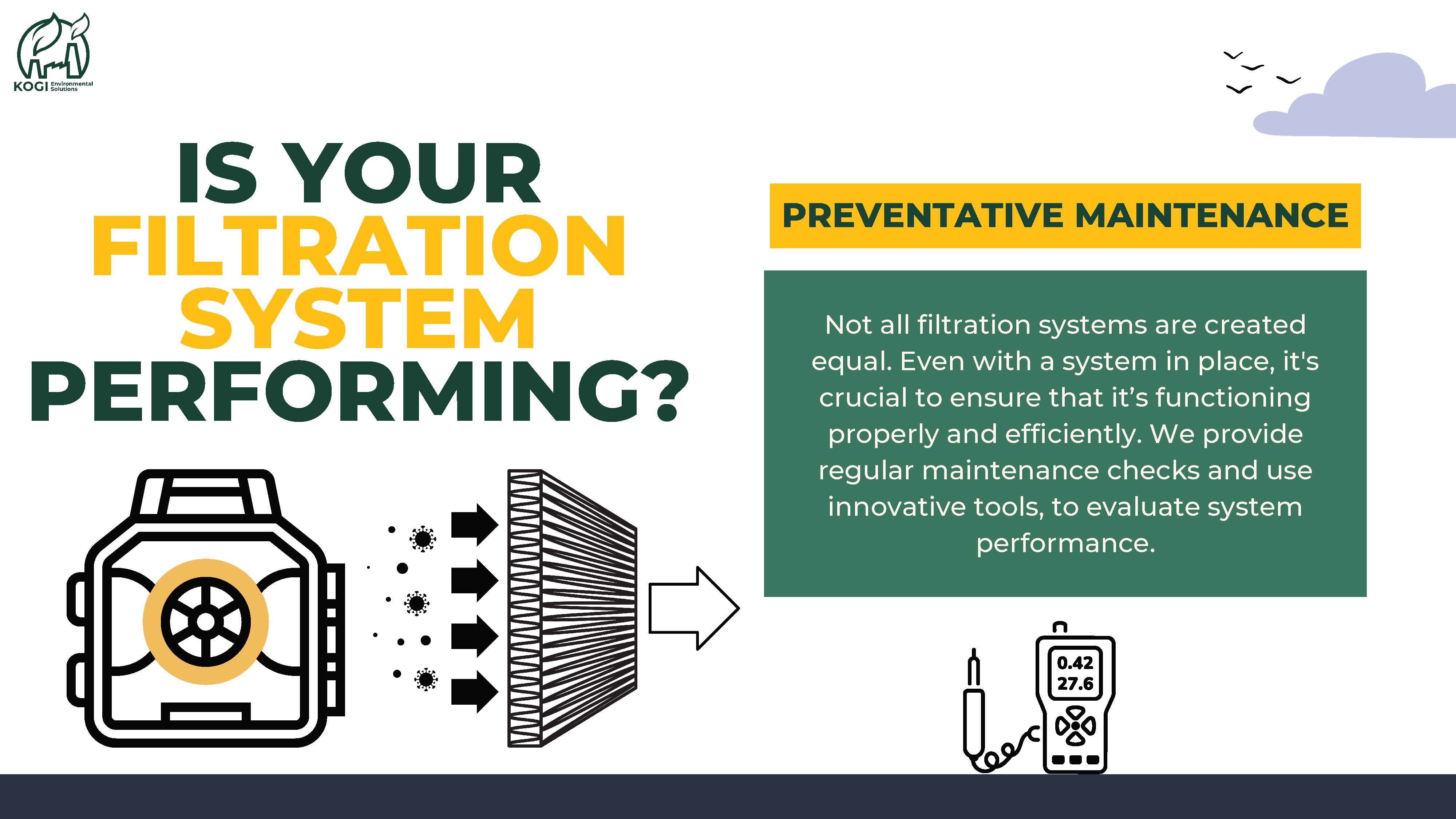
2. Inadequate Pulse Cleaning System Performance
For systems utilizing compressed air pulse cleaning (such as cartridge collectors or baghouses), the cleaning mechanism itself may be failing. If the pulse valves are not firing correctly, dust stays on the filters, increasing resistance and dropping suction at the source.
The Fix:
Check the compressed air supply to the header tank. Ensure the pressure is maintained at the manufacturer's specification (usually 80–100 psi). Inspect the diaphragm valves and solenoid actuators for leaks or mechanical failure. A "weak" pulse often indicates a faulty solenoid or a hole in a diaphragm, both of which require immediate replacement to prevent total filter blinding.
3. Ductwork Obstructions and Material Accumulation
Suction loss isn't always at the collector; it often starts in the "veins" of the system. Large debris, metal shavings, or "birds-nests" of fibrous material can lodge in duct elbows or transitions. Furthermore, if the transport velocity is too low, dust will settle in horizontal duct runs, creating a physical barrier to airflow.
The Fix:
Perform a visual inspection of the ductwork, focusing on bends, dampers, and areas where the duct diameter changes. Use a pitot tube to measure the air velocity within the ducts. If velocities fall below the recommended minimum for your specific material (e.g., 3,500–4,000 fpm for metal dust), you may need to re-balance the system or increase fan speed.
4. Air Leaks in the Collector Housing or Seals
Industrial dust collectors operate on the principle of differential pressure. Any "short circuit": an area where air can enter the system after the intake point: will significantly reduce the suction at the hood. Common leak points include worn door gaskets, loose hopper seals, and compromised discharge valves (rotary valves or screw conveyors).
The Fix:
Conduct a "smoke test" or use a soapy water solution on seams while the system is under pressure. Inspect all access doors and ensure gaskets are pliable and intact. Ensure that the dust discharge system is airtight; if a rotary valve seal is worn, the fan will pull air up through the hopper rather than through the intake ducting.

5. Backwards Fan Rotation
This issue is surprisingly common following motor maintenance or new installations. If the motor leads are reversed, the centrifugal fan will spin in the wrong direction. While a backwards fan will still move some air, it typically operates at only 40-50% of its rated capacity.
The Fix:
Verify the rotation arrow on the fan housing. If the fan is spinning the wrong way, have a qualified electrician swap two of the leads on the three-phase motor. A fan spinning in the correct direction will produce significantly more static pressure and a distinct change in the "tone" of the motor.
6. Worn or Slipping Fan Belts
Most industrial fans are belt-driven to allow for speed adjustments. Over time, belts stretch, wear down, and lose their grip on the sheaves. This slippage prevents the fan from reaching the RPMs required to generate the design airflow.
The Fix:
Inspect belt tension and look for signs of "glazing" or cracking on the belts. Use a laser alignment tool to ensure the sheaves are perfectly aligned. If the belts are slipping, you will often smell burnt rubber or hear a high-pitched squeal during startup. Regular maintenance of fan components is essential for consistent suction.
7. Full Dust Collection Hoppers or Bins
Hoppers are designed to channel dust to a discharge point, not to store it. If the collection bin or drum becomes overfilled, the dust backs up into the collector housing. This can "re-entrain" the dust, overwhelming the filters and physically blocking the air path.
The Fix:
Implement a strict schedule for emptying collection bins. For high-volume operations, consider installing a level sensor that triggers an alert or shuts down the system when the bin reaches 80% capacity. This prevents the "bridge" of dust that leads to total suction failure.
8. Improper Damper Settings
In systems with multiple pickup points (such as a shop with several CNC machines or welding stations), blast gates and dampers are used to balance the flow. If these are moved or if a main bypass damper is left open, the static pressure at the primary hoods will plummet.
The Fix:
Label the correct positions for all dampers once the system has been professionally balanced. Use locking dampers to prevent unauthorized adjustments. If a new machine has been added to the line, the entire system must be re-evaluated, as the original HVAC services design may not support the additional static pressure requirement.

9. Changes in Material Properties (Moisture & Oil)
A dust collector designed for dry sawdust will fail if the process changes to green (wet) wood or if oil mist is introduced. Moisture causes dust to "cake" on the filters, creating a concrete-like barrier that no pulse cleaning system can remove. This is particularly relevant in facilities using mist collectors and dust collectors in the same vicinity.
The Fix:
If your process involves oil or moisture, ensure your filters are treated with an oleophobic or hydrophobic coating. In cases of heavy oil smoke, an electrostatic precipitator may be a more appropriate solution than a standard fabric filter collector. Always ensure your compressed air dryer is functioning correctly to prevent moisture from entering the pulse cleaning system.
10. System Undersizing or Design Flaws
Sometimes, suction loss is simply a result of the system being pushed beyond its original design parameters. Adding more ducting, more hoods, or switching to a finer dust particulate can increase the Total Pressure Drop beyond what the fan can handle.
The Fix:
Review the original system design specifications. If the static pressure requirements have increased due to facility expansion, you may need to upgrade to a higher horsepower motor or a larger fan housing. Kogi Environmental Solutions provides engineered evaluations to determine if your current equipment is sized correctly for your current production volume.
Technical Maintenance Checklist
To maintain OSHA compliance and operational efficiency, shop managers should follow this routine:
- Daily: Check the differential pressure gauge and record readings.
- Weekly: Inspect the dust discharge bin and ensure pulse valves are audible.
- Monthly: Inspect fan belts for tension and check ducting for visible leaks or dents.
- Quarterly: Conduct a thorough inspection of filter media and seal gaskets.
- Annually: Perform a full system audit, including airflow velocity testing at each hood.
Maintaining suction in an industrial dust collector is a matter of consistent technical oversight. When suction drops, it is rarely a single catastrophic failure; rather, it is usually a combination of incremental wear and maintenance oversights.
For expert diagnostic services, replacement filters, or a complete system redesign, contact our engineering team to ensure your facility stays clean, safe, and productive.